Before You Begin
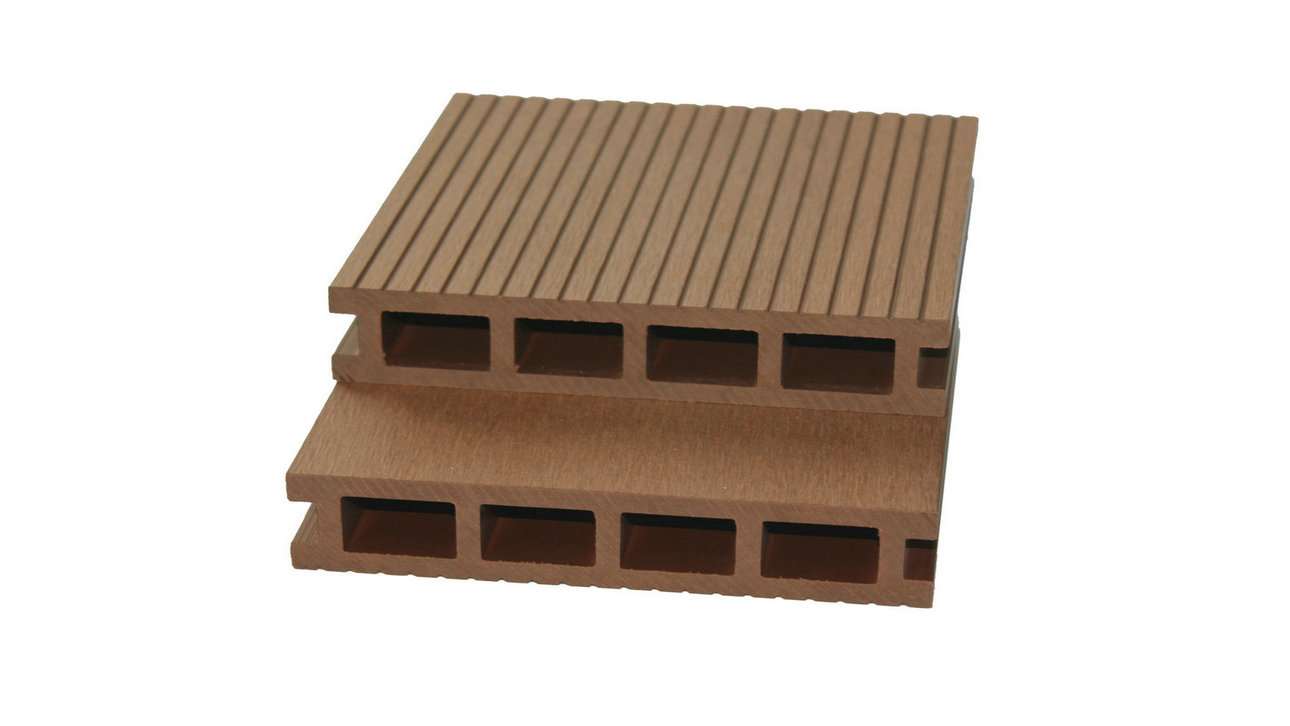
Composite wood decking combines recycled fiber and polymer to deliver a durable, weather-resistant surface suitable for porches, patios, and outdoor walkways. Proper site preparation is the foundation of a long-lasting installation.
- Confirm the substructure is level, structurally sound, and able to support expected loads.
- Allow WPC boards to acclimate on site for 24–48 hours so they adjust to local temperature and humidity.
- Lay out boards in the planned pattern before fixing to verify alignment and spacing.
- Keep expansion gaps at perimeters and where boards meet fixed objects to accommodate seasonal movement.
Step-by-Step Installation
A typical deck assembly follows a consistent sequence. Follow each stage carefully to achieve a clean, secure finish.
Prepare the Subframe
Install joists at the recommended spacing for your WPC profile, ensuring even centers and proper ventilation beneath the deck.
Lay the First Board
Position the starting board flush with the outer edge, using starter clips or pre-drilled fasteners to anchor it to the joist.
Secure Each Row
Slide hidden fasteners into the groove of each board and fasten to the joist, maintaining consistent expansion gaps.
Cut and Fit Ends
Trim boards to length with a fine-tooth carbide blade, sealing cut ends where required by the product specification.
Install Edge Trim
Finish perimeter edges with matching WPC fascia or trim pieces for a polished, weather-tight appearance.
Final Inspection
Check all fasteners, clean the surface, and confirm spacing before handing over the completed deck.
Best Practices & Maintenance
Composite materials are designed for low upkeep, but a consistent care routine will preserve appearance and extend service life across residential and commercial installations.
- Sweep regularly to remove leaves, dirt, and standing water from the deck surface.
- Clean with mild soap and water using a soft brush; avoid harsh solvents or abrasive tools.
- Use protective pads under heavy furniture to prevent localized wear or indentations.
- Address spills promptly to minimize staining on lighter color finishes.
- Maintain clear drainage pathways so water does not pool beneath or around boards.
- Inspect fasteners and trims seasonally, tightening or replacing components as needed.
| Component | Suggested Maintenance |
|---|---|
| WPC Deck Boards | Wash quarterly with mild detergent |
| Edge Trim & Fascia | Inspect annually for secure fit |
| Fasteners & Clips | Check after first winter season |
| Drainage Areas | Clear debris to prevent standing water |
Composite wood decking has become a popular choice for outdoor living spaces because it blends the look of timber with the resilience of modern polymers. WPC boards are engineered from recycled fiber and binding materials, creating a surface that resists moisture, insects, and fading far better than traditional lumber. This combination makes them well suited to porches, patios, garden walkways, and pool surrounds where exposure to weather is constant and maintenance time is limited for homeowners seeking long-lasting results.
Before any installation begins, careful site preparation sets the tone for the entire project. The ground or existing subframe should be checked for level, drainage, and structural integrity so the finished deck remains stable through seasonal changes. Allowing the boards to rest on site for a short acclimation period helps them adjust to local conditions, reducing the risk of expansion or contraction after they are fixed in place and ensuring a smoother, more uniform fit across the surface.
A reliable substructure is the backbone of any successful decking layout. Treated timber or composite joists are typically spaced at consistent intervals to provide even support, while stainless or coated fasteners help prevent corrosion over time. Hidden clip systems allow boards to be secured without visible screws, preserving the clean lines of the finished deck and creating a more refined appearance that complements contemporary outdoor furniture and surrounding landscaping features.
Planning the board layout in advance helps minimize waste and visual inconsistencies. Mixing boards from several packs before installation allows natural color variations to distribute evenly across the deck, creating a balanced, organic look. Proper gapping between board ends and along the sides accommodates thermal movement and water runoff, two factors that influence both the performance and the long-term appearance of the surface throughout changing weather conditions.
Finishing touches complete the transformation from construction site to welcoming outdoor room. Edge boards, fascia profiles, and coordinated WPC wall panels can be used to frame the deck, while matching outdoor furniture, planters, and pergola elements tie the space together. With the right preparation and a thoughtful layout, a composite porch deck becomes a durable, easy-care extension of the home that supports relaxation, entertaining, and everyday enjoyment for many years ahead.
Plan Your Next Project
Speak with the Shanghai Seven Trust team about WPC decking, fencing, wall panels, and outdoor furniture for your next build.
Contact Us